Nugget #72 ~ Box-Ticking Is Not Thinking - The Pitfall of Compliance Culture
Nov 25, 2025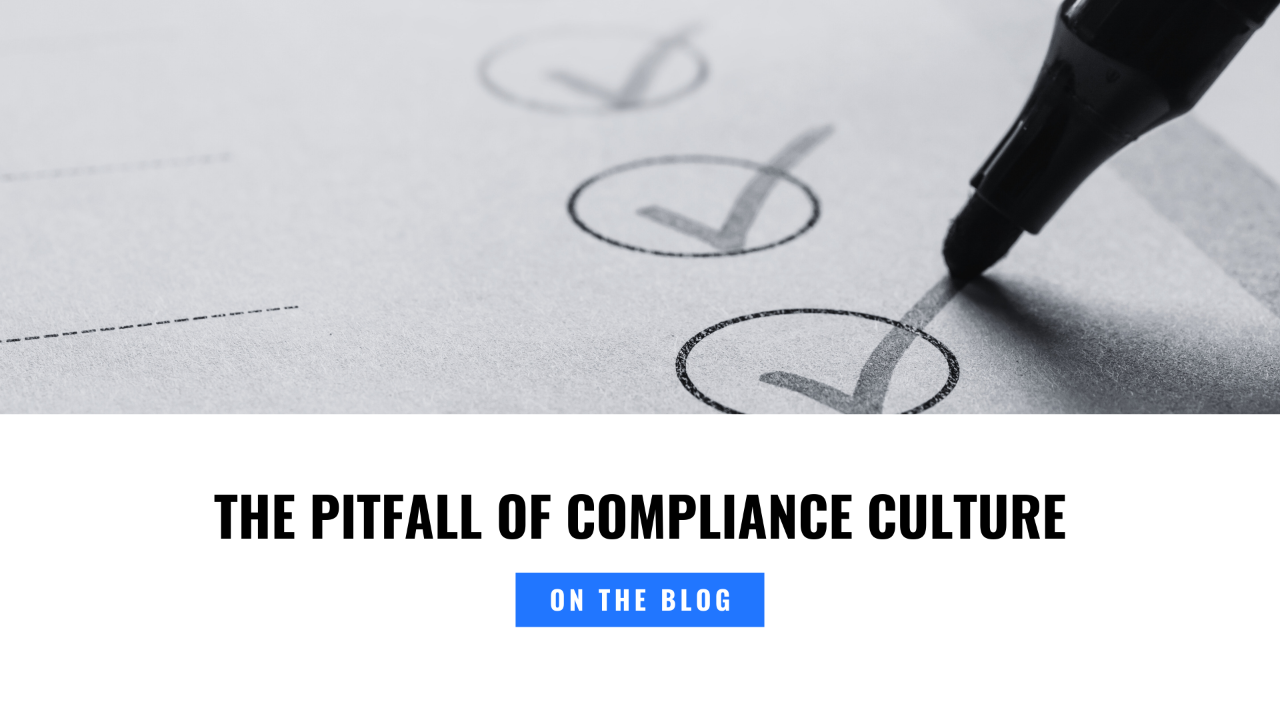
Behind every high-profile disaster - from engineering flops to systemic financial frauds - you’ll often find a long, perfectly completed compliance checklist. Irony, it seems, also comes in bullet points.
When leadership becomes obsessed with looking like it’s doing the right thing, rather than ensuring the right thing is being done, checklists take over from thought. The system devolves into a ritualistic paper chase where the form matters more than the function.
You have met this culture before. It’s the one where:
- Training is measured in attendance sheets, not understanding.
- Innovation is constrained to “approved templates.”
- Audits are rehearsed like school plays.
- Staff can recite policy… but don’t recognise a real risk when it’s staring them in the face.
It is the triumph of compliance over competence. And it’s killing initiative.
Consider the tragedy: smart people, hired for their knowledge, insight and initiative, slowly reduced to compliance bots, rewarded not for challenging the system, but for memorising it.
So when the unexpected happens - when the environment changes, the market shifts, or the crisis arrives - everyone’s staring at the list asking, “But we did everything right… didn’t we?”
Systems thinkers know better. A process that cannot question itself is already obsolete.
Competence resists being reduced to a neat grid of checkboxes. Can be done on a spreadsheet without any thinking. It’s full of ambiguity, judgment, gut feel, collaborative friction, and the occasional leap of creative madness.
But that’s the very texture of learning systems. They evolve. They reflect. They ask, “Why do we do this?” rather than “Did we tick it off?” Can I regurgitate the words without understanding the sentence?
Competence is a moving target. Compliance is a photograph of last year’s bullseye.
To escape the trap of shallow assurance:
- Encourage critical feedback on the process, not just the outcome.
- Train for principle, not procedure. (Ask: “What would a wise person do?”)
- Run simulations where the rules break down - and watch how people think under pressure.
- Reward intelligent non-compliance when the situation demands it.
And above all, stop treating checklists as the final word. They’re a starting point. Not a substitute for wisdom.
In a world where audit readiness is mistaken for operational readiness, your competitive edge may lie in choosing thinking people over thinking protocols.
Do you want a culture that obeys… or one that understands?
Are your current systems optimised to detect emerging complexity, or merely to pass inspection?
What would it take to shift from a culture of “minimum acceptable performance” to one of maximum adaptive capability?
Smart Questions to think about:
Prompt 1: Are your current systems optimised to detect emerging complexity, or merely to pass inspection? Or pass a training course?
Prompt 2: What would it take to shift from a culture of “minimum acceptable performance” to one of maximum adaptive capability?